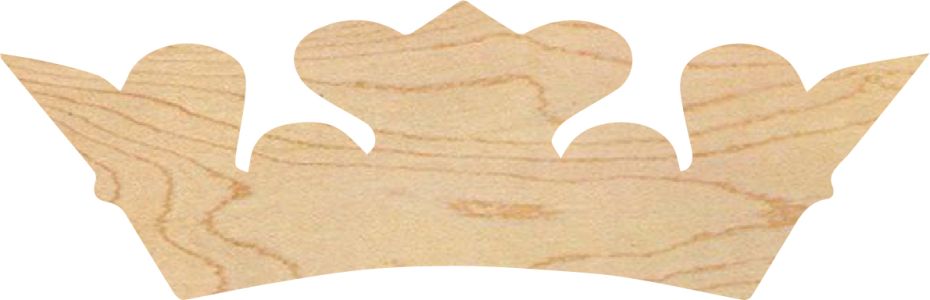
North American Maple
An excellent choice of tonewoods which is used mostly in our íon banjo neck builds. Exported from North America the colours can vary from cream to a pale reddish brown. We choose this particular tonewood as it is renowned for its strength and resistance to shock, Hard Maple is straight grained with a fine texture.
Hardness
Origin

Certificate

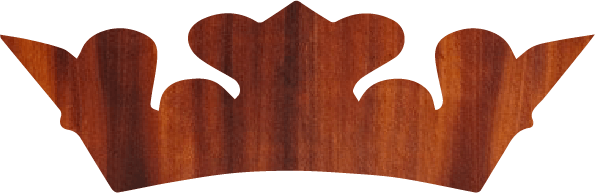
Honduran Mahogany
Genuine mahogany is one of the great structural woods of fine instrument making. Often called Honduran mahogany or genuine mahogany, by any name it is one of the world’s most renowned tonewoods. Its density, stiffness and strength-to-weight ratio have made it a prime neck choice for tenor & 5 string banjos for over a century.
Hardness
Origin
Certificate
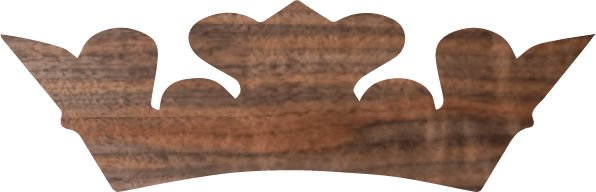
Irish Walnut
Walnut is a fantastic tone wood known for having a very clear, bright character that offers good note separation. It is the choice wood of some past and present Irish tenor banjo builders. Walnut offers a warmth and punchiness to compliment those already present traditional walnut characteristics.
Hardness
Origin
Certificate
Sycamore
Sycamore is a perfect choice for building banjo necks and a firm favourite with such banjo builders as Dave Boyle from Ireland. It offers superb density & stiffness and often used for building classic and electric guitars.
Sycamore is also well-known because it has a focused, brilliant and acoustic sound, very treasured by luthiers. Some historic facts say it was the choice wood for the Carolan Harp, (Rimmer, 1969; 75), this tree was not native to the British Isles having been introduced sometime around the 13th century and its first recorded appearance in Ireland dating to 1632.
We have a sufficient supply which has already been cured for 3 years or so. We intend to mostly use it for building our megaphonic style rims.
Hardness
Irish | UK Origin
Certificate